What Weixin teaches marketers about becoming useful instead of becoming louder.
Weixin Did Not Start by Trying to Do Everything
When Tencent introduced Weixin in 2011, it was primarily a messaging app. The case study in Strategic Social Mediaexplains how the platform studied the routines of urban smartphone users and continued adding functions that fit those routines.
That distinction matters. Weixin was not adding random features to look innovative. It was removing small annoyances from a user’s day.
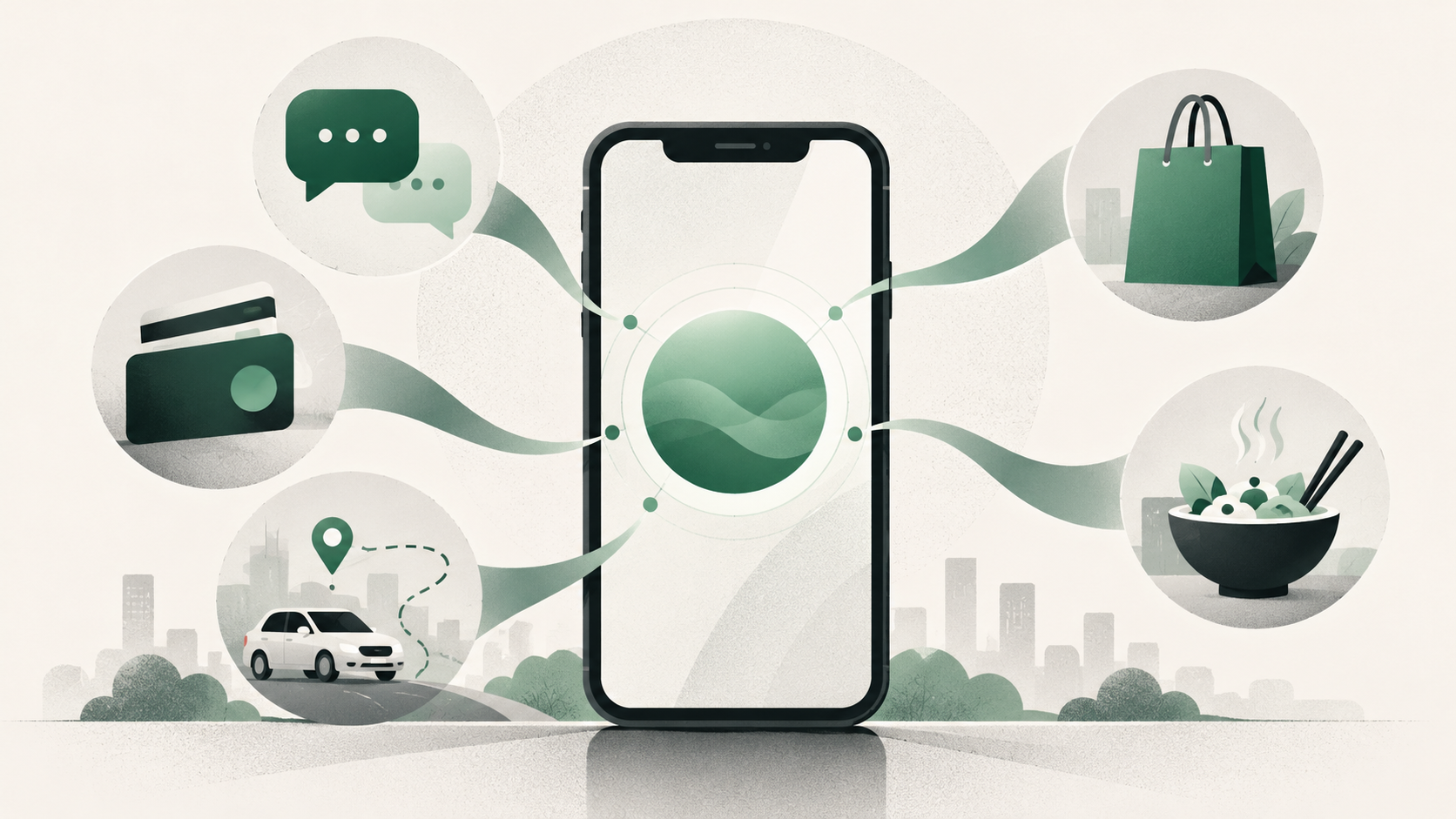
Voice messages became easier because users could record them by holding down a button. The app later incorporated payments and transportation services. Its digital red-envelope campaign adapted a familiar Chinese New Year tradition instead of asking users to adopt a completely unfamiliar behavior.
Each addition made the app more useful. It also gave people another reason to stay.
Tencent now describes Weixin as part of a mobile lifestyle rather than simply a messaging platform. The company reports that Weixin and WeChat together had more than 1.4 billion monthly active users during the first quarter of 2026. That scale is impressive, but the more important question is how the platform became such a routine part of everyday life.
The answer is not better advertising. It is audience fit.
What Does Weixin Give the User?
Marketers often talk about engagement as something an audience gives to a brand. We want people to click, respond, and return. Weixin reverses that question: What does the platform give people that makes returning worthwhile?
The clearest answer is reduced friction.
A user does not have to leave Weixin every time a new need arises. Businesses can offer services through Weixin Mini Programs, which operate inside the platform without requiring another full app download. A restaurant can accept an order where the customer already communicates. A transportation provider can place booking and payment within the same environment.
This resembles inbound marketing because the business is available when the user has a reason to seek it out. The brand does not have to interrupt an unrelated activity and hope the message lands. It becomes part of an experience the customer already chose.
That is a much higher standard than producing another sponsored post. The business must provide something useful enough to justify its place inside the user’s routine.
Could the Same Model Work Everywhere?
This is where the case becomes more complicated.
Tencent identifies Weixin and WeChat as separate but interoperable services. Weixin is designed for mainland China, while WeChat serves users elsewhere. The distinction is important because a platform built around one market cannot assume that people in another market will have the same expectations.
An all-in-one app may sound convenient, but it also concentrates an enormous amount of a person’s activity in one place. Some users may question how much a single company can learn from their conversations and transactions. Others may prefer specialized apps they already trust.
The marketing lesson is not that every company should copy Weixin feature by feature. It is that successful platforms pay attention to how people already behave. Weixin grew by adapting to its audience instead of forcing the audience to adapt to the platform.
Usefulness Is a Business Model
What stayed with me from this case is how little of Weixin’s success depends on conventional promotion. Its strongest marketing decision was making the product useful often enough to become habitual.
That changes how I think about social media engagement. Attention may bring someone into a platform once. Usefulness gives that person a reason to return.
For marketers, the question may be simpler than we make it: Are we asking the audience to give us more attention, or are we creating something that deserves it?
SOURCE NOTE
This post draws on Strategic Social Media: From Marketing to Social Change by L. Meghan Mahoney and Tang Tang (2016), along with information from Tencent’s official Weixin and WeChat and Mini Programs pages.
Featured image conceived and directed by Andy Nelson and created with OpenAI’s image-generation tool on October 19, 2026.
